
Concert Photography, Adrenaline, and Learning to Recover Afterwards
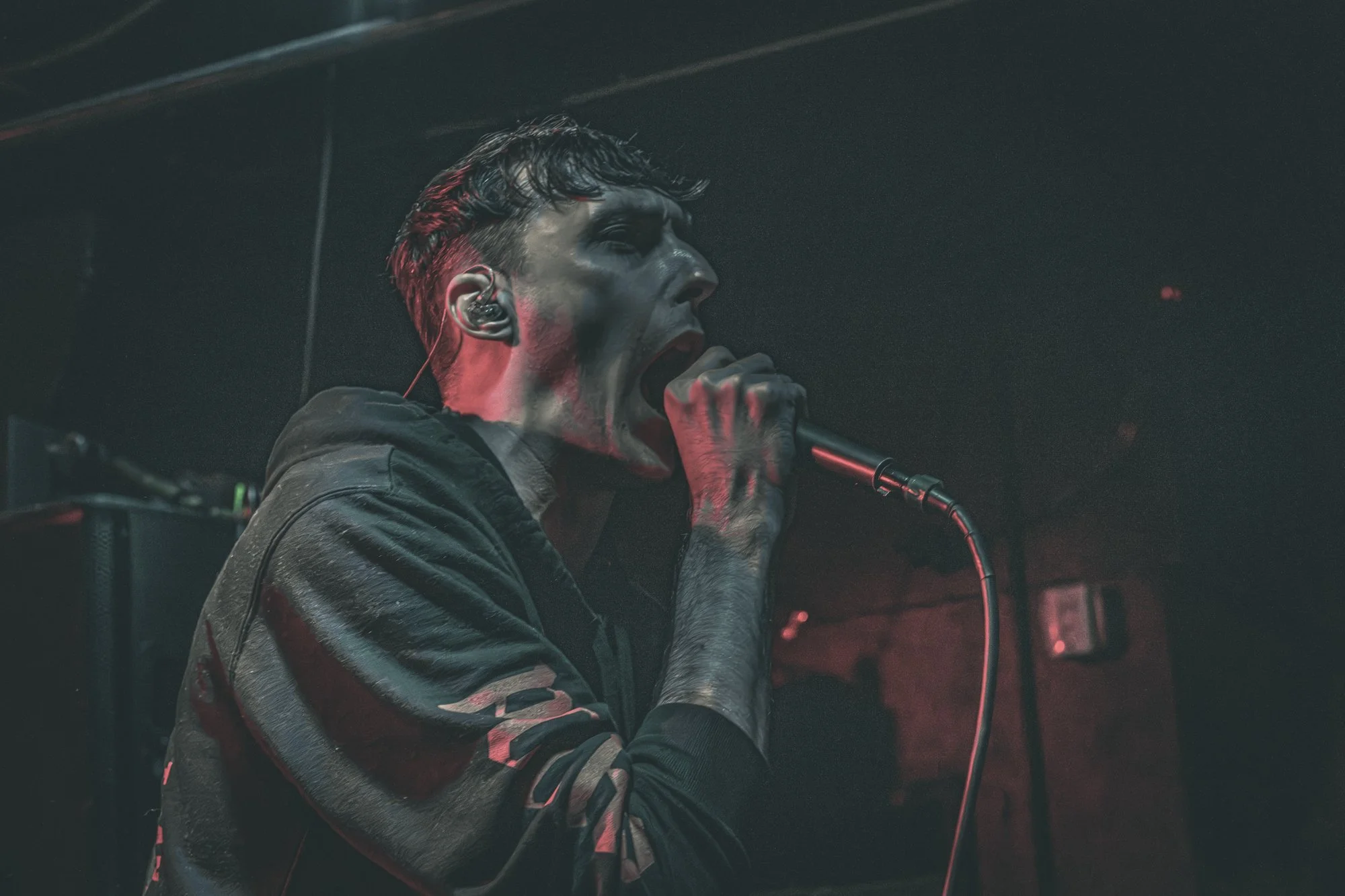
Concert photography is honestly one of the most adrenaline-filled things I’ve ever done.
Personally, I get anxious before shooting a show. I literally start the night already wired, then you’re moving constantly, thinking fast, adjusting settings in terrible lighting. Trying not to get kicked in the head by a crowd surfer, and attempting to capture moments that only exist for half a second before they’re gone again.
And somehow… it’s really easy to forget you’re still a human being while doing all of it.
Especially once the adrenaline kicks in.
I’ve noticed that after shows, I tend to swing between:
“THAT WAS THE BEST THING EVER”
and
“Why do I suddenly feel like I got hit by a bus?”
So I’ve been learning that recovery after concerts is actually part of the job.
Not just editing photos afterward.
Taking care of yourself afterward.
Especially if you’re shooting often, dealing with chronic illness, neurodivergence, anxiety, burnout, or honestly just being a person with a nervous system.
Some things that have genuinely helped me:
Hydrate more than you think you need to
Venue air can be brutal.
You’re moving constantly.
You probably forgot to eat enough.
Drink water before the show, during if you can, and afterward.
Future me is always grateful when present me remembers this.
Don’t underestimate ear protection
Seriously.
You can love live music and still protect your hearing.
Your future self will thank you when your ears aren’t ringing while you’re trying to edit at 1 a.m.
Build in “decompression time”
I used to go straight from:
loud venue → bright screens → editing for hours
And then wonder why my brain felt scrambled.
Now I try to give myself at least a little transition time.
Quiet car ride.
Comfort show.
Low lights.
Snack.
Just exist for a bit.
Eat actual food afterward
Not just fries or a hot dog from the cart outside.
(Not that I’m judging.)
Adrenaline can completely mask hunger cues, and then suddenly you feel awful two hours later wondering what happened.
Stretch. Your. Body.
Your back, shoulders, wrists, neck, all of it.
Especially if you’re carrying gear or crouching in weird photographer positions all night.
Let yourself rest the next day if you can
Creative work is still work.
You don’t have to “earn” recovery just because your job/art is fun.
Remember that overstimulation is real
Sometimes after a show I don’t want more noise.
I don’t want notifications.
I don’t even want to talk.
That doesn’t mean I had a bad time.
It just means my brain and body are trying to settle back down after hours of intensity.
And honestly, learning how to recover better has made me enjoy shows more.
Because now I’m not treating myself like a machine that’s supposed to go nonstop just because I’m passionate about something.
I’m learning that sustainability matters in creative work too.
The goal isn’t just to survive the shoot.
The goal is to still love doing this years from now.
